Aves_doesthings Original Video Content #941
Begin Your Journey aves_doesthings hand-selected live feed. Subscription-free on our media destination. Explore deep in a boundless collection of content made available in excellent clarity, optimal for deluxe watching fans. With contemporary content, you’ll always keep abreast of. Find aves_doesthings selected streaming in retina quality for a sensory delight. Access our media world today to access exclusive premium content with zero payment required, no recurring fees. Stay tuned for new releases and uncover a galaxy of groundbreaking original content created for choice media addicts. Act now to see special videos—swiftly save now! Enjoy top-tier aves_doesthings bespoke user media with breathtaking visuals and members-only picks.
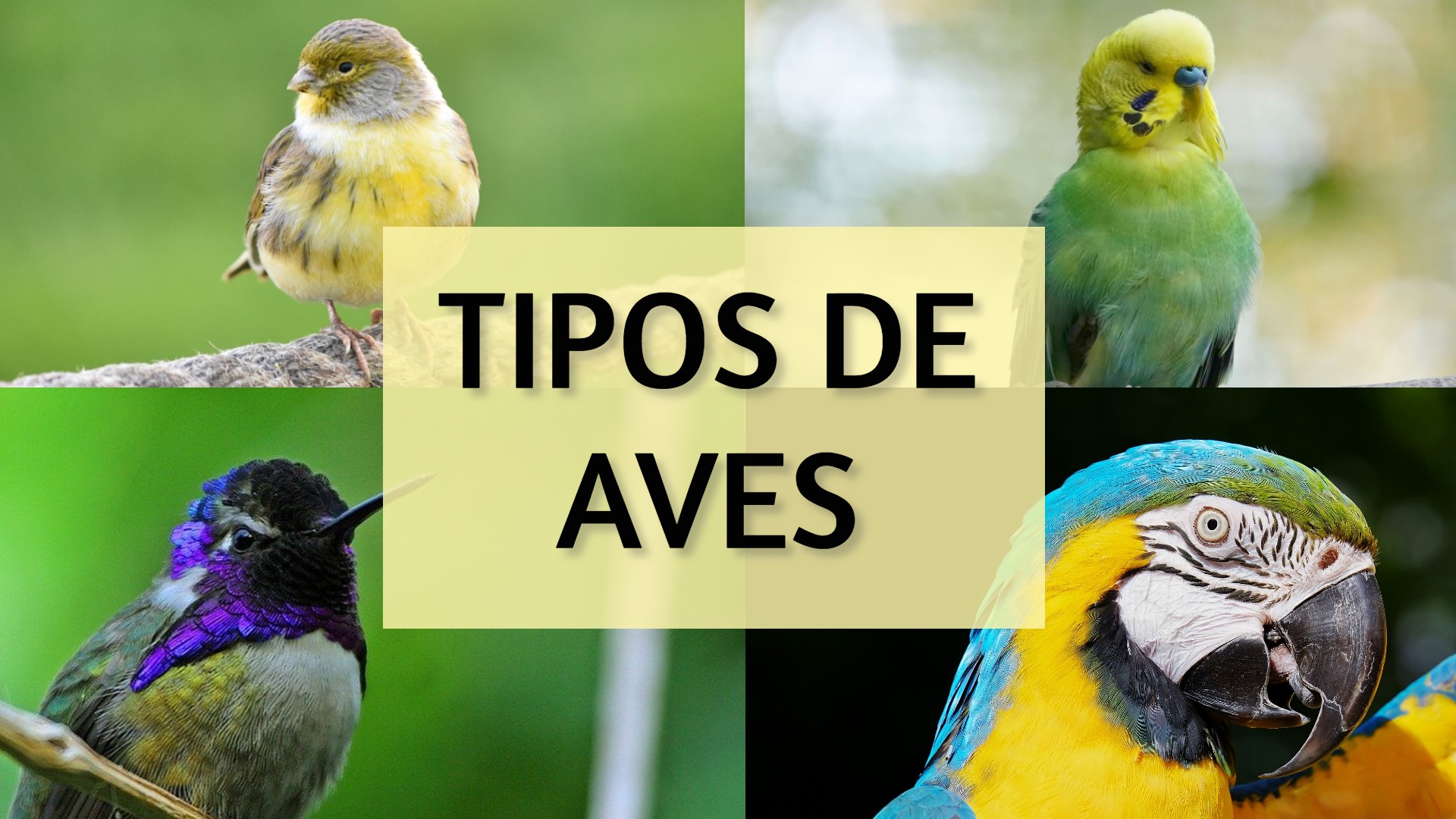
Learn about birds or class aves Aves are the first vertebrates who have warm blood in their body. Discover what a bird is, its characteristics, and its relationship to mammals and dinosaurs.
Las 1000 AVES EXÓTICAS más bellas del mundo - ¡Fotos y curiosidades!
They have wings modified from their forelimbs and developed flying muscles. The aves class contains around 9000 species that show courtship, parental care, nest building, and most importantly territorial behavior In classifying birds, most systematists have historically relied upon structural characteristics to infer evolutionary relationships.
Birds are vertebrates with feathers, modified for flight and for active metabolism
Birds are a monophyletic lineage, evolved once from a common ancestor, and all birds are related through that common origin There are a few kinds of birds that don't fly, but their ancestors did, and these birds have secondarily lost the ability to fly. They are characterized by unique features and thrive across nearly every environment on earth Birds are defined by feathers, structures composed of keratin unique to this class.
In this article, we will explore avian diversification, the historical perspectives that shaped bird classification, and the significant advances achieved in understanding their evolutionary relationships through tools such as dna analysis. They are found in almost every ecosystem, from dense rainforests to arid deserts, showcasing incredible diversity in size, color, and behavior.