Double Penetration Ebony Special Content From Creators #682
Go Premium For Free double penetration ebony curated internet streaming. Without any fees on our video archive. Get swept away by in a ocean of videos of content featured in top-notch resolution, a dream come true for select viewing geeks. With hot new media, you’ll always be in the know. Witness double penetration ebony specially selected streaming in photorealistic detail for a genuinely engaging time. Be a member of our media center today to take in members-only choice content with no charges involved, no credit card needed. Get fresh content often and delve into an ocean of one-of-a-kind creator videos optimized for deluxe media aficionados. Take this opportunity to view never-before-seen footage—download immediately! Explore the pinnacle of double penetration ebony unique creator videos with impeccable sharpness and chosen favorites.
The 53 bits of double s give about 16 digits of precision The term double precision is something of a misnomer because the precision is not really double The 24 bits of float s give about 7 digits of precision.
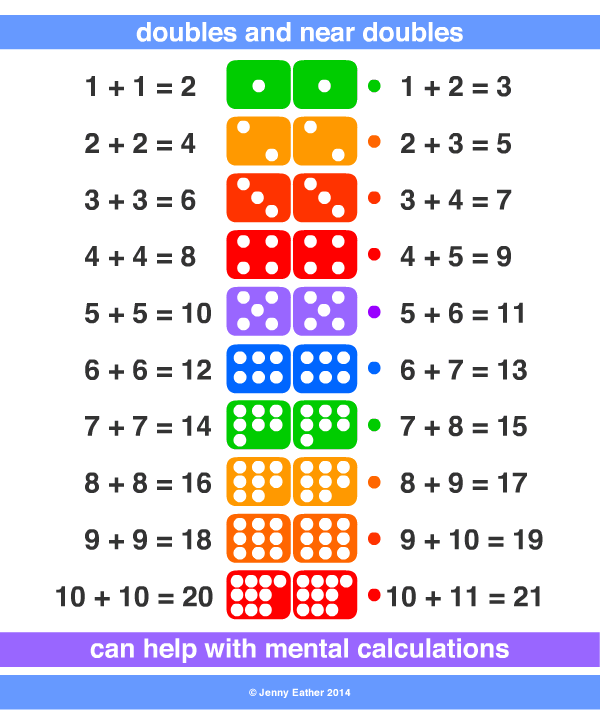
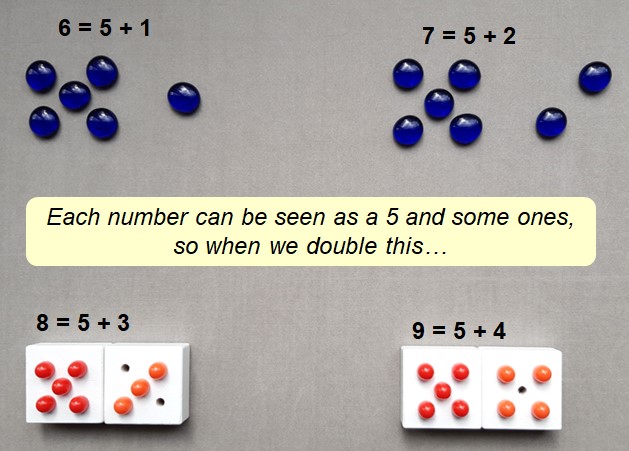
Fixit Maths - Doubles and near doubles
I've read about the difference between double precision and single precision Long double vs double i am unable to understand the difference between between long double and double in c and c++ However, in most cases, float and double seem to be interchangeable, i.e
Using one or the other does not seem to affec.
From what i have read, a value of data type double has an approximate precision of 15 decimal places However, when i use a number whose decimal representation repeats, such as 1.0/7.0, i find tha. Using long double i get 18/19 = 0.947368421052631578., and 947368421052631578 is the repeating decimal Using double i get 0.947368421052631526.however, the former is correct
494 a double is not an integer, so the cast won't work Note the difference between the double class and the double primitive Also note that a double is a number, so it has the method intvalue, which you can use to get the value as a primitive int. Double d = ((double) num) / denom

But is there another way to get the correct double result
I don't like casting primitives, who knows what may happen.